

Sustainable Transportation: How Electric Vehicles and Public Transit Cut Emissions

As the world grapples with the escalating effects of climate change, the transportation sector has emerged as a key contributor to greenhouse gas emissions. In fact, it accounts for a significant portion of global carbon dioxide emissions, primarily due to the reliance on fossil fuels. In response to this pressing issue, sustainable transportation solutions are gaining traction, with electric vehicles (EVs) and public transit systems at the forefront of efforts to mitigate climate change.
The Transportation Sector and Climate Change
Current Contributions to Emissions
Transportation is one of the largest sources of greenhouse gas emissions worldwide, with road vehicles being the primary culprits. According to the International Energy Agency, transport-related emissions accounted for approximately 24 percent of global CO2 emissions in recent years. This includes emissions from passenger cars, freight trucks, buses, and aviation.
The reliance on gasoline and diesel fuels is a primary driver of these emissions. Burning fossil fuels releases not only CO2 but also other harmful pollutants, contributing to air quality deterioration and public health challenges.
The Need for Sustainable Solutions
To meet international climate goals, particularly those outlined in the Paris Agreement, significant reductions in transportation emissions are necessary. The transition to sustainable transportation solutions such as electric vehicles and enhanced public transit systems is essential to achieving these goals. By reducing reliance on fossil fuels and adopting cleaner alternatives, we can significantly cut emissions and pave the way for a more sustainable future.
Electric Vehicles (EVs)
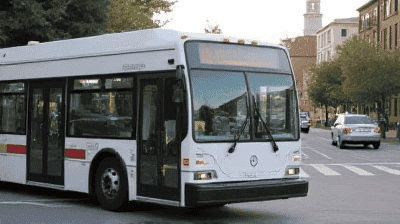
Understanding Electric Vehicles
Electric vehicles are defined as vehicles that are partially or fully powered by electricity. They come in various forms, including:
- Battery Electric Vehicles (BEVs): Fully powered by electric batteries, these vehicles have no internal combustion engine and produce zero tailpipe emissions.
- Plug-in Hybrid Electric Vehicles (PHEVs): These vehicles have both an electric motor and a gasoline engine. They can operate on electric power for a limited range and switch to gasoline when needed.
- Hybrid Electric Vehicles (HEVs): While not plug-in, these vehicles combine an internal combustion engine with an electric motor, improving fuel efficiency and reducing emissions.
Emission Reductions from EVs
One of the primary benefits of electric vehicles is their potential for significant emissions reductions. Here are some key points highlighting their environmental advantages:
Zero Tailpipe Emissions
BEVs produce no tailpipe emissions, which means they do not release harmful pollutants such as nitrogen oxides and particulates that contribute to smog and respiratory illnesses. This is particularly beneficial in urban areas with high traffic congestion and pollution levels.
Lower Lifecycle Emissions
While some emissions are associated with the production of electric vehicles and the generation of electricity, studies show that, on average, EVs have a lower total lifecycle carbon footprint compared to conventional gasoline or diesel vehicles. As the electricity grid becomes greener through renewable energy sources, the emissions associated with EVs decline further.
Energy Efficiency
Electric vehicles are more energy-efficient than their gasoline counterparts. According to the U.S. Department of Energy, EVs convert over 60 percent of the electrical energy from the grid to power at the wheels, while conventional gasoline vehicles only convert about 20 percent of the energy stored in gasoline. This increased efficiency translates to fewer emissions overall.
The Role of Renewable Energy
The environmental benefits of EVs can be amplified when they are charged using renewable energy sources such as solar, wind, or hydroelectric power. This synergy not only reduces emissions associated with electricity generation but also supports the transition to a sustainable energy grid.
Infrastructure Support for EVs
To fully realize the potential of electric vehicles, comprehensive infrastructure development is crucial. This includes the installation of:
- Charging Stations: Expanding the network of public and private charging stations makes it more convenient for EV owners to charge their vehicles and alleviates range anxiety.
- Fast-Charging Networks: Implementing fast-charging capabilities on highways and in urban areas allows for quicker charging times, making long-distance travel more feasible for EV owners.
Government Incentives and Policies
Governments play a vital role in promoting the adoption of electric vehicles through various incentives and policies. Examples include:
- Tax Credits and Rebates: Many countries and regions offer financial incentives to encourage the purchase of electric vehicles, making them more accessible to consumers.
- Low-Emission Zones: Implementing low-emission zones in urban areas encourages the use of electric vehicles by restricting access for high-emission vehicles.
- Investment in EV Infrastructure: Public investments in charging infrastructure and renewable energy sources can support the growth of the EV market.
Public Transit
Understanding Public Transit Systems
Public transit encompasses various modes of transportation that are available to the public, including buses, trains, subways, and trams. These systems provide accessible, affordable, and efficient transportation options for communities.
Emission Reductions from Public Transit
Public transit plays a crucial role in reducing emissions from the transportation sector. Here are some key advantages:
Higher Passenger Capacity
Public transit systems can transport a large number of passengers simultaneously, significantly reducing the number of single-occupancy vehicles on the road. This leads to fewer emissions per passenger-mile traveled.
Reduced Traffic Congestion
By encouraging people to use public transportation instead of personal vehicles, cities can alleviate traffic congestion. Less congestion means shorter travel times and lower emissions due to reduced idling and stop-and-go traffic.
Energy Efficiency
Public transit is generally more energy-efficient than individual car travel. According to the American Public Transportation Association, public transit reduces greenhouse gas emissions by 45 million metric tons annually in the United States alone.
Transitioning to Sustainable Public Transit
To enhance the environmental benefits of public transit, many systems are transitioning to more sustainable technologies:
Electrification of Public Transit
Many cities are adopting electric buses and rail systems to further reduce emissions associated with public transit. Electric buses produce zero tailpipe emissions and, when coupled with renewable energy sources, can significantly decrease the environmental impact of public transportation.
Expansion of Transit Networks
Investing in and expanding public transit networks can improve accessibility and connectivity. Well-designed systems that serve communities effectively can encourage more people to choose public transit over personal vehicles.
Integration with Other Modes of Transportation
Collaborative approaches that integrate public transit with other modes of sustainable transportation, such as biking and walking, create a more comprehensive mobility ecosystem. This can include:
- Bikesharing Programs: Offering bikesharing options at public transit hubs encourages multi-modal transportation and reduces reliance on personal vehicles.
- Transit-Oriented Development (TOD): Promoting high-density development around transit stations can facilitate easy access to public transit, reducing commuting distances and emissions.
Government Support for Public Transit
Government funding, policies, and incentives are key to enhancing public transportation systems. Examples include:
- Capital Investment Grants: Federal and state governments often provide funding to support the construction and maintenance of transit infrastructure.
- Operational Funding: Ongoing funding helps transit agencies maintain reliable services and keep fares low, encouraging more ridership.
Synergies Between Electric Vehicles and Public Transit
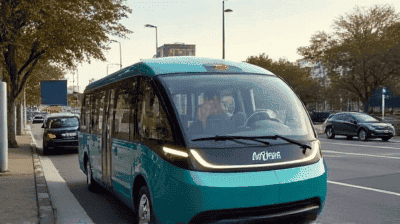
The combination of electric vehicles and sustainable public transit creates synergies that enhance overall emissions reduction efforts:
Integrated Mobility Solutions
Cities can encourage a shift toward sustainable transportation by integrating electric vehicles into existing public transit frameworks. For example, electric taxis and rideshares can complement public transportation by providing first and last-mile connectivity.
Shared Mobility Services
Shared mobility services further enhance transportation efficiency, reducing the need for personal vehicle ownership. By offering electric ridesharing options in conjunction with public transit, cities can improve accessibility and reduce emissions.
Data and Smart Technologies
Utilizing data analytics and smart technologies can optimize transportation networks. Real-time data on public transit routes and electric vehicle availability can help users make informed decisions, encouraging the use of sustainable options.
Challenges to Adoption
Despite the potential benefits of electric vehicles and public transit, several challenges remain:
Infrastructure Development
Building the necessary infrastructure for electric vehicles and enhancing public transit systems requires significant investment and long-term planning. This can be a barrier for many municipalities and governments.
Public Perception and Awareness
Changing public perception of electric vehicles and public transit can be challenging. Education and outreach campaigns are necessary to highlight the benefits and dispel myths surrounding these sustainable options.
Financial Constraints
The transition to electric vehicles and improved public transit systems often requires initial funding and financial incentives. Securing the necessary resources can be a hurdle for many communities, particularly those with budget constraints.
Technological Advancements
Advancements in battery technology and renewable energy generation are essential for maximizing the environmental benefits of electric vehicles. Continuing to invest in research and development is crucial for overcoming these technological barriers.
Conclusion

Sustainable transportation is critical for addressing the challenges posed by climate change and reducing greenhouse gas emissions. Electric vehicles and public transit systems offer promising solutions that can work together to create a cleaner, more efficient, and accessible transportation landscape.
As cities and countries transition to more sustainable transportation options, it is imperative to invest in infrastructure, policies, and public awareness campaigns to support this shift. By embracing electric vehicles and enhancing public transit systems, we can pave the way for a more sustainable future, reduce emissions, and improve the quality of life for communities around the world.